A Living History
Streetcar Suburb at the Minneapolis Edge
Columbia Heights occupies one of the most unusual geographic positions of any Anoka County city — it is almost entirely surrounded by Minneapolis and Fridley, forming a dense urban enclave that shares more DNA with the city than with the suburban communities to its north. The city's development history reflects this: it grew as a streetcar suburb in the early 20th century, its compact grid of modest bungalows and craftsman homes filling in as working-class Minneapolis families sought affordable housing just beyond the city limit where land was cheaper and taxes lower.
The area was first organized as a township in the 1880s and incorporated as a village in 1898 — one of the earliest suburban incorporations in Anoka County. Its name reflects the boosterish optimism of the era: Columbia Heights suggested a commanding position ("heights") with patriotic resonance ("Columbia") that would appeal to prospective residents. The city formally incorporated in 1921 with a full grid of streets already platted and filling with homes.
The Central Avenue NE corridor — running straight from Minneapolis through the heart of Columbia Heights — became the city's commercial spine. The Heights Theater, opened in 1926, remains one of the metro's most beloved independent movie houses and a symbol of the city's commitment to its own character. The theater survived the shift to multiplexes, the suburbanization of retail, and multiple economic cycles — not just because of nostalgia, but because Columbia Heights residents genuinely support their Main Street.
In recent decades, Columbia Heights has undergone a demographic transformation, becoming one of the most diverse cities in Anoka County — with significant Latino, Somali, and Southeast Asian communities adding cultural richness and entrepreneurial energy to the Central Avenue corridor. New restaurants, grocery stores, and small businesses reflecting this diversity have made the city's commercial district more vibrant than at any point in its recent history.
1880s — Area organized as a township; proximity to Minneapolis draws early workers seeking affordable housing beyond city limits.
1898 — Columbia Heights incorporates as a village — one of Anoka County's earliest suburban incorporations.
1921 — Village becomes a city; dense streetcar-era bungalow neighborhoods define the built environment.
1926 — The Heights Theater opens on Central Avenue — still operating today as one of the metro's great independent cinemas.
2000s–10s — Demographic shift brings new cultural energy and entrepreneurship to Central Avenue corridor.
Today — One of the metro's most diverse first-ring cities — and one of the most compelling urban value plays at the Minneapolis border.
Community Character
Minneapolis Adjacency at a Fraction of the Price
Columbia Heights is, in practical terms, a Minneapolis neighborhood that happens to be in Anoka County. Its street grid connects seamlessly to Northeast Minneapolis; residents walk or bike to NE businesses regularly. The city's own Central Avenue offers a diverse restaurant scene — Mexican, Somali, Vietnamese, and Salvadoran eateries sit alongside long-established diners and the beloved Heights Theater. The city's compact size (just 3.5 square miles) means everything is close, and the urban density that some suburbs avoid is here embraced.
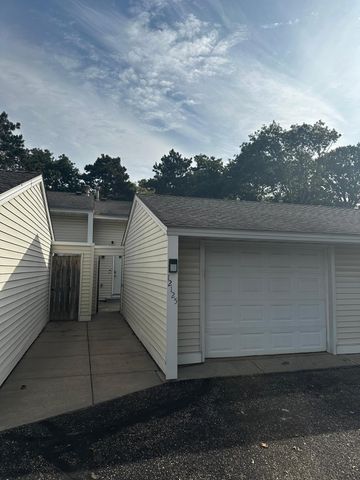
Columbia Heights is served by ISD 13, the Columbia Heights Public Schools district, which operates independently and serves a genuinely diverse student population. Silver Lake and Huset Park provide green space anchors in a dense urban fabric. The city's housing stock — primarily bungalows, cape cods, and modest two-stories from the 1920s–1950s — offers buyers genuine architectural character at prices that feel almost unfair given the location. For buyers who value walkability, urban texture, and community diversity over yard size and subdivision newness, Columbia Heights is a revelation.
Location — Borders NE Minneapolis directly
Culture — Heights Theater — since 1926
Diversity — Most diverse city in Anoka County
Character — 1920s–50s bungalows & craftsmans
2026 Market Snapshot
Columbia Heights Real Estate
Columbia Heights has the hottest market metrics in Anoka County. A 100.2% list-to-sale ratio means the average home sells above asking price — a signal that buyers are recognizing the city's value before it fully reprices to match its Minneapolis-adjacent reality. At $268K median, it remains one of the only places in the metro where a buyer can own a single-family home within walking distance of Northeast Minneapolis businesses. That window will not stay open indefinitely.
Who's buying: Minneapolis renters making their first purchase who want to stay close to the urban core. Buyers who've been outbid repeatedly in NE Minneapolis and have discovered that the Columbia Heights border is essentially invisible in practice. Young professionals and dual-income couples who value walkability, cultural diversity, and neighborhood authenticity over suburban amenities.
Typical Buyer Profile
Age 25–38 · Household income $65K–$100K · First-time buyer · Prioritizes urban walkability, Minneapolis proximity, and home character · Frequently comparing Columbia Heights to NE Minneapolis or Fridley
Quick facts — More in this region