A Living History
Raspberries, Railroads, and Resilience
Hopkins carries the name of Harley Hopkins, a Minneapolis businessman who donated land for a railroad depot in the 1880s and secured the community's connection to the broader economy. Before the railroad arrived, the area was known as West Minneapolis — a somewhat uninspired name that masked the agricultural richness of the land. The Minneapolis and St. Louis Railway changed everything: once goods could move efficiently to market, local farmers discovered that the area's sandy, well-drained soils were ideal for a crop that would define the city's identity for generations.
By the 1890s and early 1900s, Hopkins and its surrounding farms had become the nation's leading producer of red raspberries. The berries thrived in the sandy glacial outwash soils, and at peak production the area shipped millions of quarts annually to markets across the country. The Hopkins post office was reportedly the busiest in Minnesota during berry season as orders poured in. This agricultural identity was so potent that it survives today in the annual Raspberry Festival — a week-long community celebration that draws tens of thousands of visitors each July to Mainstreet Hopkins.
Hopkins incorporated as a village in 1893 and as a city in 1947, growing through the 20th century as a working-class community of modest homes and small businesses. Unlike its neighbors, Hopkins never expanded through annexation — it remains just 4.3 square miles, making it one of Hennepin County's most densely settled cities. This smallness is its superpower: Hopkins has the compactness, the walkable Mainstreet, and the tight community fabric of a small town transplanted to a metro setting.
The opening of the METRO Green Line Extension with a Hopkins station has introduced a new chapter — connecting this compact city directly to Minneapolis and catalyzing transit-oriented development that is reshaping the areas around Blake Road station. Hopkins is experiencing a renaissance that long-time residents see as overdue recognition of what they always knew about their city.
1880s — Harley Hopkins donates land for a rail depot; the community takes his name and gains market access.
1890s–1920s — Hopkins becomes the nation's leading raspberry producer; the sandy soils yield millions of quarts annually.
1893 — Hopkins incorporates as a village; Mainstreet begins its 130-year role as the community's commercial heart.
1947 — Village becomes a city; postwar residential development fills the 4.3-square-mile footprint.
Annual — Raspberry Festival each July draws 50,000+ visitors to Mainstreet — one of Minnesota's great community celebrations.
2023–24 — METRO Green Line Extension opens Hopkins station — transit-oriented development accelerates along Blake Road corridor.
Community Character
Minnesota's Most Beloved Small City
Mainstreet Hopkins is the genuine article — an intact pedestrian commercial street with independent restaurants, a beloved old-school hardware store, boutiques, coffee shops, and the Hopkins Center for the Arts, which anchors a surprising cultural scene for a city of 18,000. The Raspberry Festival each July transforms Mainstreet into one of the metro's great community gatherings: carnival rides, live music, a parade, and — naturally — fresh raspberries.
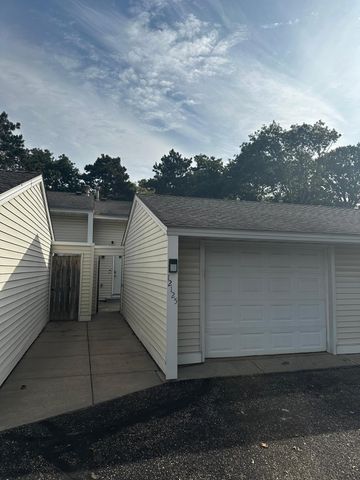
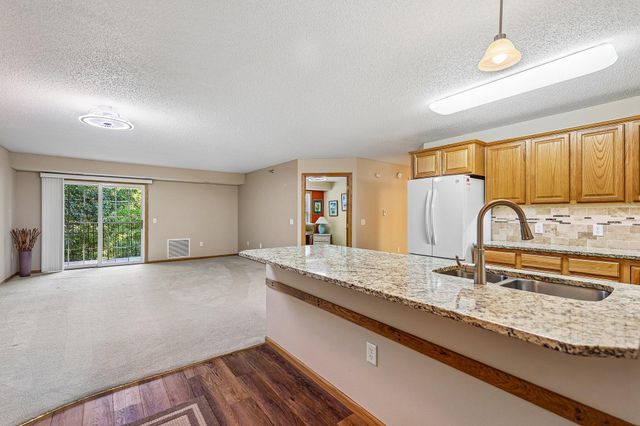
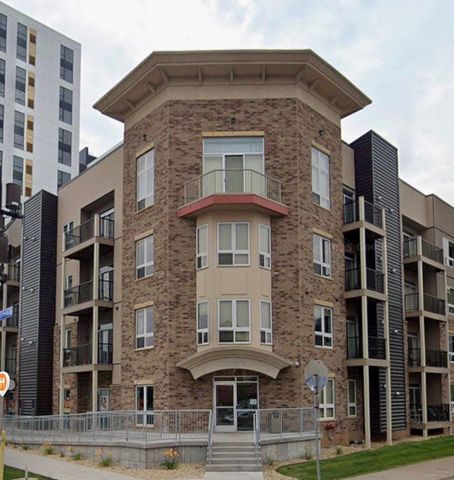
Hopkins is served by its own Hopkins Public Schools (ISD 270), a district known for its inclusive approach and strong performing arts programs. Housing is primarily modest single-family homes and townhomes from the 1950s–80s, with a growing inventory of new construction condos near the light rail station. The city's Green Line connection makes it one of the best transit-served communities in the western suburbs — a fact that is beginning to show up in home prices as buyers from Minneapolis discover what Hopkins residents have long known.
Heritage — Raspberry Capital of the World
Mainstreet — Intact walkable commercial district
Transit — METRO Green Line — Blake Rd Station
Community — Raspberry Festival — 50K attendees
2026 Market Snapshot
Hopkins Real Estate
Hopkins offers one of the western metro's most compelling value propositions: a $318K median price in a city with light rail access, a walkable Mainstreet, and a strong community identity. The Green Line effect is still working its way into prices — buyers who move now are ahead of the appreciation curve that transit consistently drives. Homes near the Blake Road station corridor command a growing premium over the broader Hopkins average.
Who's buying: Transit-dependent buyers who want a single-family home. Minneapolis urbanites priced out of St. Louis Park. First-time buyers who value community character and walkability over subdivision newness. Investors recognizing the light rail appreciation curve. Young families drawn by Hopkins school culture and the Mainstreet neighborhood feel.
Typical Buyer Profile
Age 27–42 · Household income $85K–$135K · Often first-time buyer · Prioritizes light rail access, community feel, and value · Frequently comparing Hopkins to St. Louis Park or Minnetonka
Quick facts — More in this region