A Living History
Great Water, Great City
The Dakota name Mni Tanka — "great water" — described the enormous lake that would anchor European understanding of this entire corner of Hennepin County. When American settlers began arriving in the 1850s, the Lake Minnetonka area was already celebrated in Indigenous geography as one of the great water bodies of the Upper Midwest. The first Euro-American settlers found not a single community but a scattered network of lake-shore settlements, milling operations, and farming families spread across the broad upland plateau between the lake and the Minneapolis boundary.
Minnetonka's early commercial identity was shaped by lumber. The forests of large hardwoods — oak, basswood, maple — that covered the morainic ridges were harvested and milled in operations that powered the city's first economic chapter. By the 1870s and 80s, as the timber was exhausted, Lake Minnetonka had become a destination — wealthy Minneapolis families arriving by steamboat and later by the Minneapolis, Lyndale and Minnetonka Railway to escape summer heat in elaborate Victorian resort hotels. The Hotel Lafayette, Hotel St. Louis, and dozens of smaller establishments made the Minnetonka lake shore one of the Midwest's great resort districts.
The resort era faded with the automobile — which made the lake accessible to everyone and eliminated the exclusivity that had made it fashionable. By the 1920s and 30s, the resort hotels were gone, replaced by permanent summer cottages that gradually became year-round homes. Minnetonka incorporated as a village in 1956 and as a city in 1969, aggressively annexing surrounding townships to reach its current 27,000-acre footprint — one of the largest land areas of any Hennepin County city. Major corporate employers including Cargill, UnitedHealth Group, Supervalu, and Fingerhut established significant operations in Minnetonka through the latter 20th century, drawn by the highway access, quality workforce, and suburban campus environment.
Today Minnetonka is home to approximately 54,000 residents, occupying a generous geographic footprint that encompasses diverse neighborhoods from dense first-ring areas near Hopkins to expansive wooded estates near the Lake Minnetonka shore.
1850s — First American settlers arrive; lumber harvesting begins in the rich hardwood forests of the Minnetonka uplands.
1870s–90s — Lake Minnetonka becomes the Upper Midwest's premier resort destination; Victorian hotels line the shore.
1920s–30s — Resort era fades; lake cottages convert to year-round homes as the automobile democratizes access.
1956 — Minnetonka incorporates as a village; annexation of surrounding townships begins to assemble the modern city.
1969–80s — Cargill, UnitedHealth, and major corporate campuses establish Minnetonka as the west metro's premier business address.
Today — 54,000 residents across a diverse 27,000-acre city — from first-ring neighborhoods to wooded lake-view estates.
Community Character
Where Corporate Power Meets Lake Country
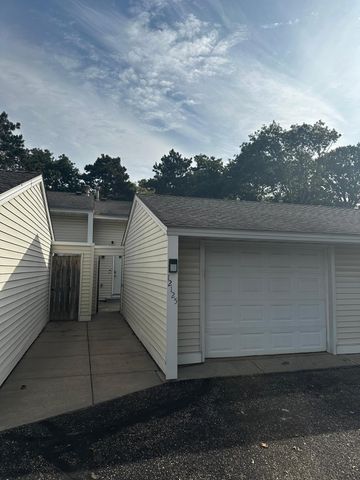
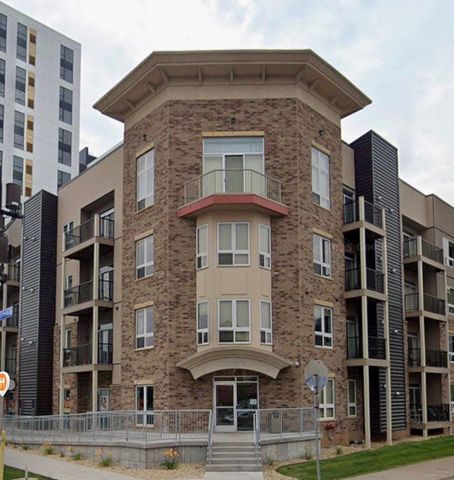
Minnetonka's sheer geographic size creates tremendous neighborhood variety. The eastern sections near Hopkins and St. Louis Park feel first-ring urban — dense, established, within 10 minutes of Minneapolis. The western sections near Deephaven and the lake feel like a different world: wooded ravines, winding roads, and homes with genuine seclusion and occasional lake access. This range of environments within a single city means Minnetonka competes effectively for buyers at nearly every price point from $350K to $3M+.
The city's park system includes Minnehaha Creek — one of the region's most beloved natural corridors — and connections to the Lake Minnetonka Regional Trail. Minnetonka Public Schools (ISD 276) is the dominant district, with Minnetonka High School consistently ranking among the top five public high schools in Minnesota for academic achievement, AP participation, and college placement. The school alone is a powerful draw for families choosing between Minnetonka and comparable communities in Eden Prairie or Plymouth.
Schools — Minnetonka HS — top-5 in MN
Corporate — Cargill, UnitedHealth Group HQ
Nature — Minnehaha Creek corridor trails
Range — $350K urban to $3M+ lake estate
2026 Market Snapshot
Minnetonka Real Estate
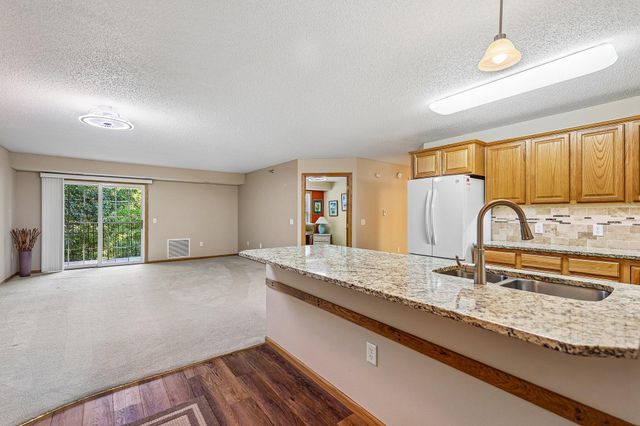
Minnetonka's broad price range means different dynamics by neighborhood. Entry-level eastern neighborhoods ($350K–$500K) remain competitive with quick sales and occasional multiple offers. The western lake-proximate market above $800K moves more slowly but holds value with remarkable consistency — corporate executives and medical professionals anchor demand at the high end. Minnetonka High School's reputation alone delivers measurable price support across the city.
Who's buying: Families targeting Minnetonka High School represent the most motivated segment — many specifically buying into the district. Corporate executives from Cargill, UnitedHealth, and the broader I-494 employment corridor. Move-up buyers from Golden Valley, St. Louis Park, or Hopkins who are ready for more space. Lake-country buyers seeking wooded privacy within 20 minutes of downtown.
Typical Buyer Profile
Age 36–55 · Household income $180K–$350K+ · Often second or third-time buyer · Strongly school-motivated · Willing to pay premium for Minnetonka HS district and wooded neighborhood character
Quick facts — More in this region